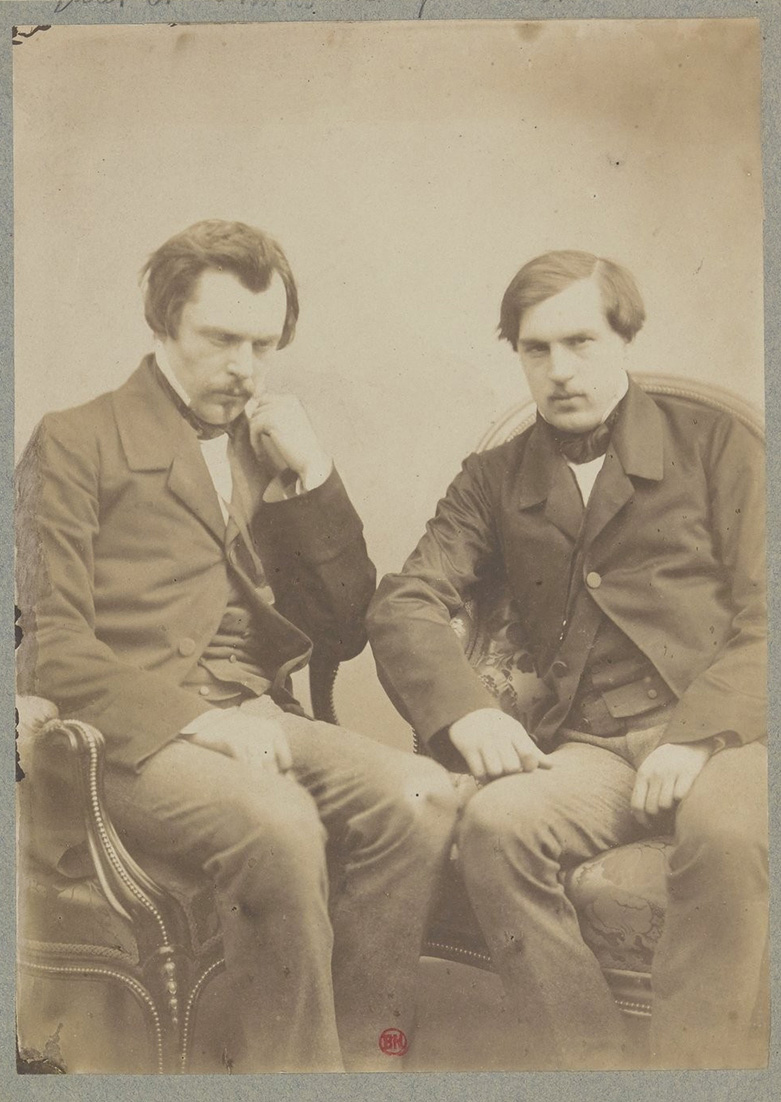
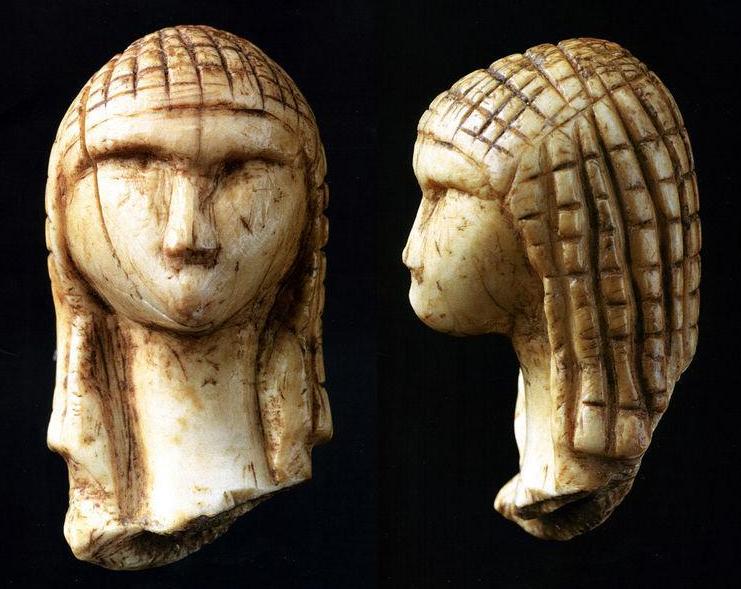
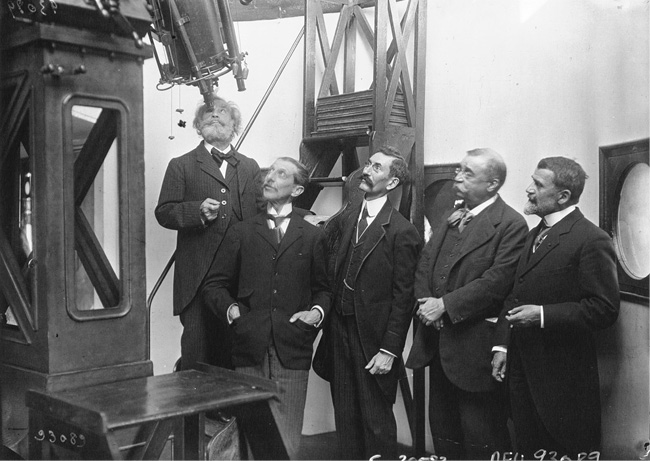
A postage stamp, a rose, a butterfly, a photograph, an antique coin, a homemade telescope. Objects that were seemingly disparate yet formed part of a world defined by networks of enthusiasts—their associations, specialized magazines, and the markets that expanded alongside rising literacy, the growth of the press, and the emergence of leisure time. We are speaking of Third Republic France, a society of amateurs.
Aristocrats, clerks, merchants, teachers, doctors, priests, rural landowners, and rentiers. Some amassed art collections. Others classified insects, cultivated roses, observed the heavens, or developed photographs in a corner of their homes, all sharing a common approach to knowledge based on systematic gathering, exchange, and self-directed learning.
It was a universe that has all but vanished, yet it left behind abundant traces. Magazines catering to philatelists, horticulturists, photographers, birdwatchers, ham radio operators, musicians, and collectors of every stripe proliferated during the second half of the nineteenth century. These publications taught classification techniques, offered advice on organizing collections, announced exhibitions, shared the latest news, and published the addresses of potential pen pals. They also served as marketplaces: within their pages, objects were bought and sold, specimens were traded, and lifelong connections were forged.
The expansion of postal services, trade, and industrial production put into circulation ever-increasing quantities of items ripe for collecting and cataloging. Eggs, coins, autographs, minerals, seashells, butterflies, and photographs found their way into domestic display cases, albums, and drawers. Each specimen acquired value through its rarity, its provenance, or its ability to complete a series. Then there was philately, with its specialized dealers, periodicals, catalogs, exhibitions, and modes of exchange that transcended countries, languages, and borders. Stamps were small and easy to transport, transforming the postal network that distributed them into a network for collecting them. Something similar occurred with natural history. The quest for plants, insects, fungi, or minerals drew in thousands of people—some linked in one way or another to scientific institutions, others to more localized circles. Many took part in excursions that combined observation, socializing, physical exercise, and learning—outings that might bring together an amateur botanist, a photographer, a landscape painter, and a regional collector in a setting—the countryside—that served as a laboratory, a museum, and a meeting place.
In that world, photography held a unique place: although it required technical training, specific equipment, and a considerable investment of time, it allowed for tangible results without the need to pass through academies or professional institutions. It thus brought together several aspirations of the era: to record the world and to produce images using modern technology. Art, science, and technology converged behind the camera. The same can be said of astronomy. Alongside professional observatories, the recording of the heavens relied on a multitude of observers scattered across the globe who either purchased their instruments or built them themselves, following instructions, blueprints, and advice published in specialized magazines for home-based equipment fabrication or improvement.
Collections held a privileged place in that universe because they allowed ordinary objects to be transformed into meaningful series. A postage stamp, a seashell, or a single photograph had little value on its own; once integrated into a sequence, classified, and identified, however, they took on a new status. Collecting involved ordering the world and establishing connections between disparate items—practices akin to those of museums, yet carried out on a domestic scale and driven far more by personal initiative than by institutional programs. Much of this activity took place in the collector’s study, at the table where stamps were sorted, in the photographer’s darkroom, in the garden, or in a small workshop set up in a shed or a spare room. Far from being mere leisure spots, these domestic spaces functioned as laboratories, repositories, observatories, or miniature museums.
The distinction between amateur and professional was never absolute. Many enthusiasts corresponded with specialists, submitted observations, contributed to regional inventories, and participated in scientific societies. In disciplines such as astronomy, archaeology, botany, and natural history, the generation of knowledge relied on these local observers. Institutions needed them just as much as they needed institutional recognition. Boundaries existed, yet they were far more permeable than accounts centered on academies, museums, or universities would suggest.
This society of amateurs valued hands-on activity: building, repairing, cultivating, classifying, bookbinding, drawing, developing film, or assembling a collection were not merely secondary pastimes but forms of knowledge. Long before contemporary language popularized expressions like "do-it-yourself," a vast body of literature taught people how to craft objects, instruments, and household decorations. This culture of making relied on a specific economy: specialized shops sold optical instruments, specimens for collections, seeds, tools, cameras, and materials of all kinds. At the same time, second-hand markets, private exchanges, and homemade solutions flourished. Amateurs were not only consumers but also active producers of objects and knowledge.
Viewed from today’s perspective, this proliferation of societies, publications, and collections sheds light on a less visible aspect of modernity. The expansion of science and culture did not depend solely on universities, academies, and museums; it also rested on a multitude of people who devoted their evenings, weekends, or holidays to birdwatching, cultivating flowers, organizing albums, studying coins, or photographing landscapes. Between formal institutions and the domestic dining room lay a vast intermediate territory: the immense realm of the amateur.
----
These lines stem from reading *En amateurs. Sciences et arts, 1850-1950*, a collaborative work coordinated by Nathalie Richard, a specialist in the history of science and collecting practices; Laurence Guignard, who studies the history of knowledge; Hervé Guillemain, known for his work on health and non-professional actors; and Hadrien Viraben, a researcher of the social history of artistic practices. Drawing on magazines, manuals, and publications aimed at amateurs, the book reconstructs the network of associations, markets, collections, and forms of sociability that animated this vast amateur landscape. Published by Presses universitaires de Rennes in September 2026, it is freely available at: HERE
* Special for *Hilario. Artes Letras Oficios*